
Building Intergenerational Wellness: Reflections On Our Two Events
 September 28, 2025
 intergenerational ,mitchmiyagawa ,momiji ,retreat ,wellness ,
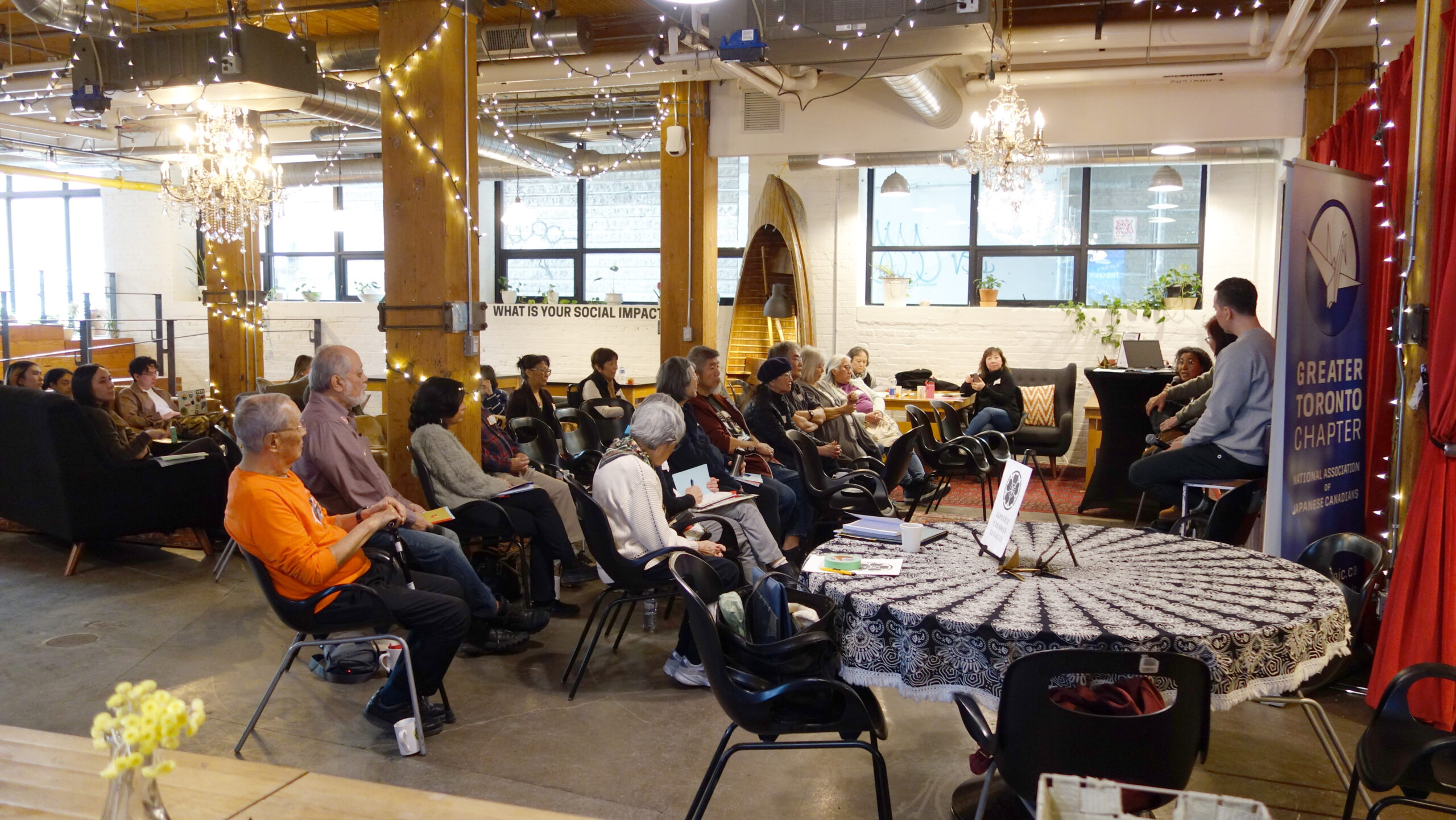
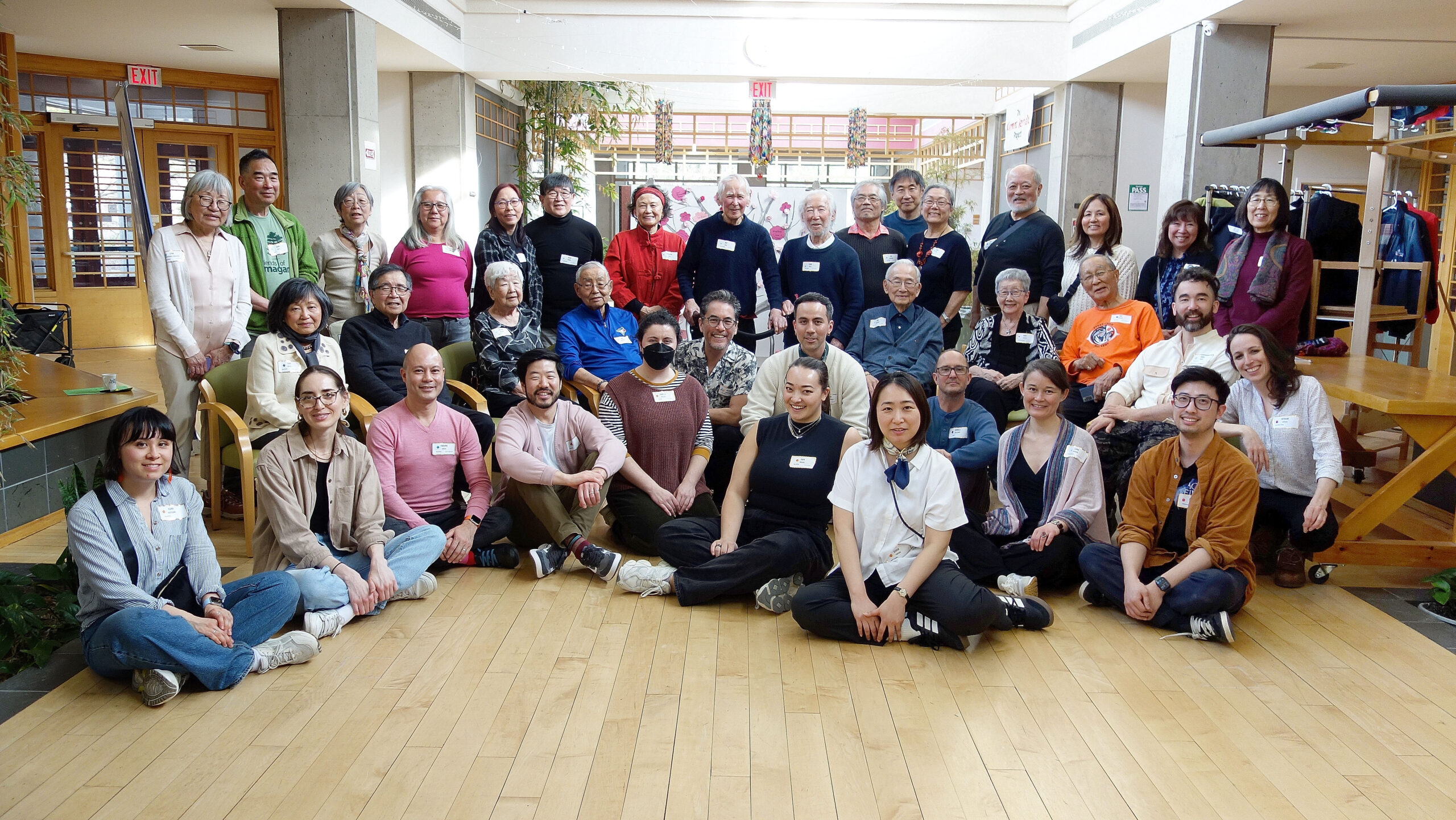
Earlier this year, the Toronto chapter of the NAJC hosted two intergenerational wellness retreats that brought community members together across generations. These events created space for healing, connection, and reflection—grounded in the lived experiences of Japanese Canadians.
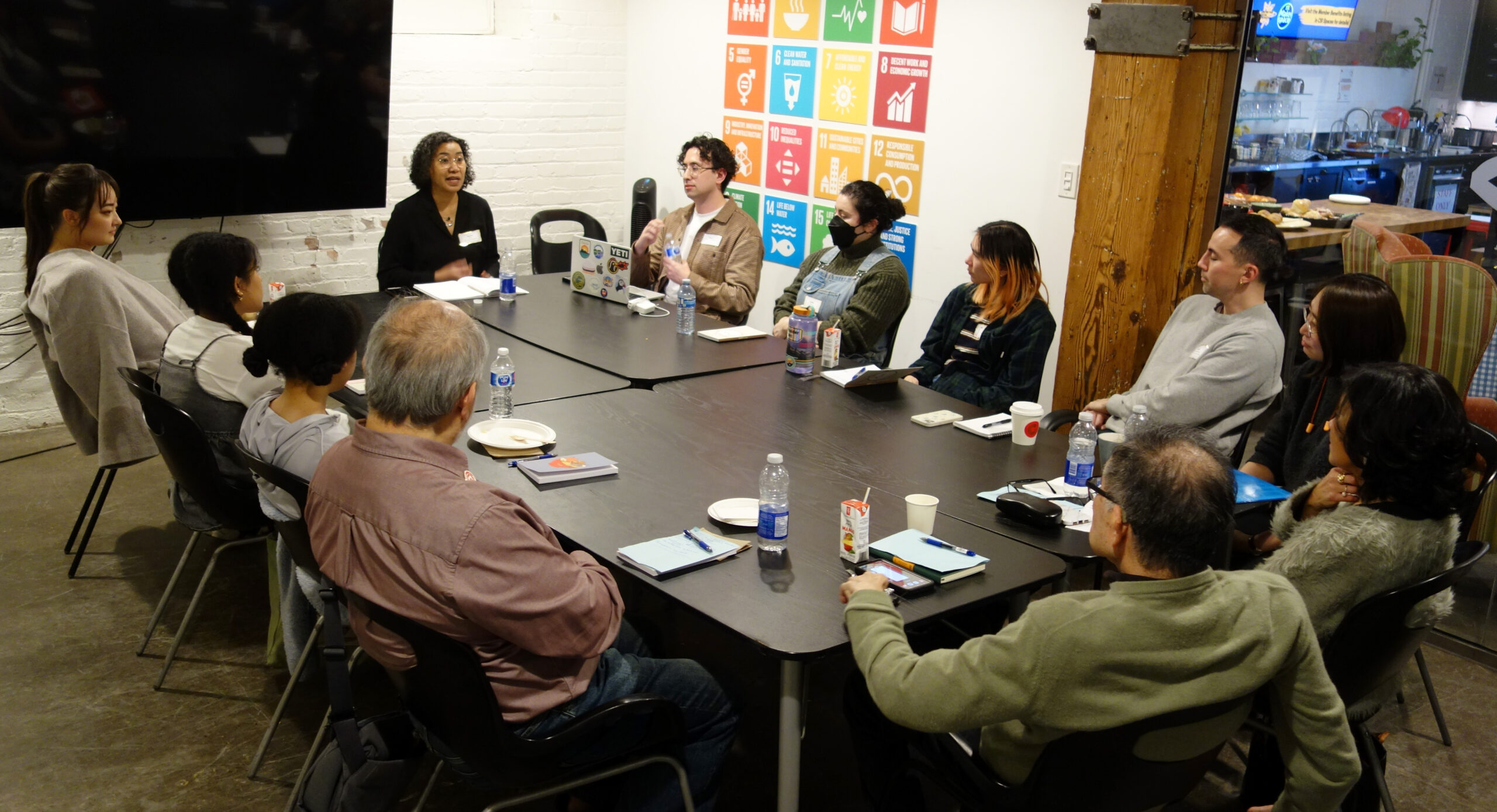
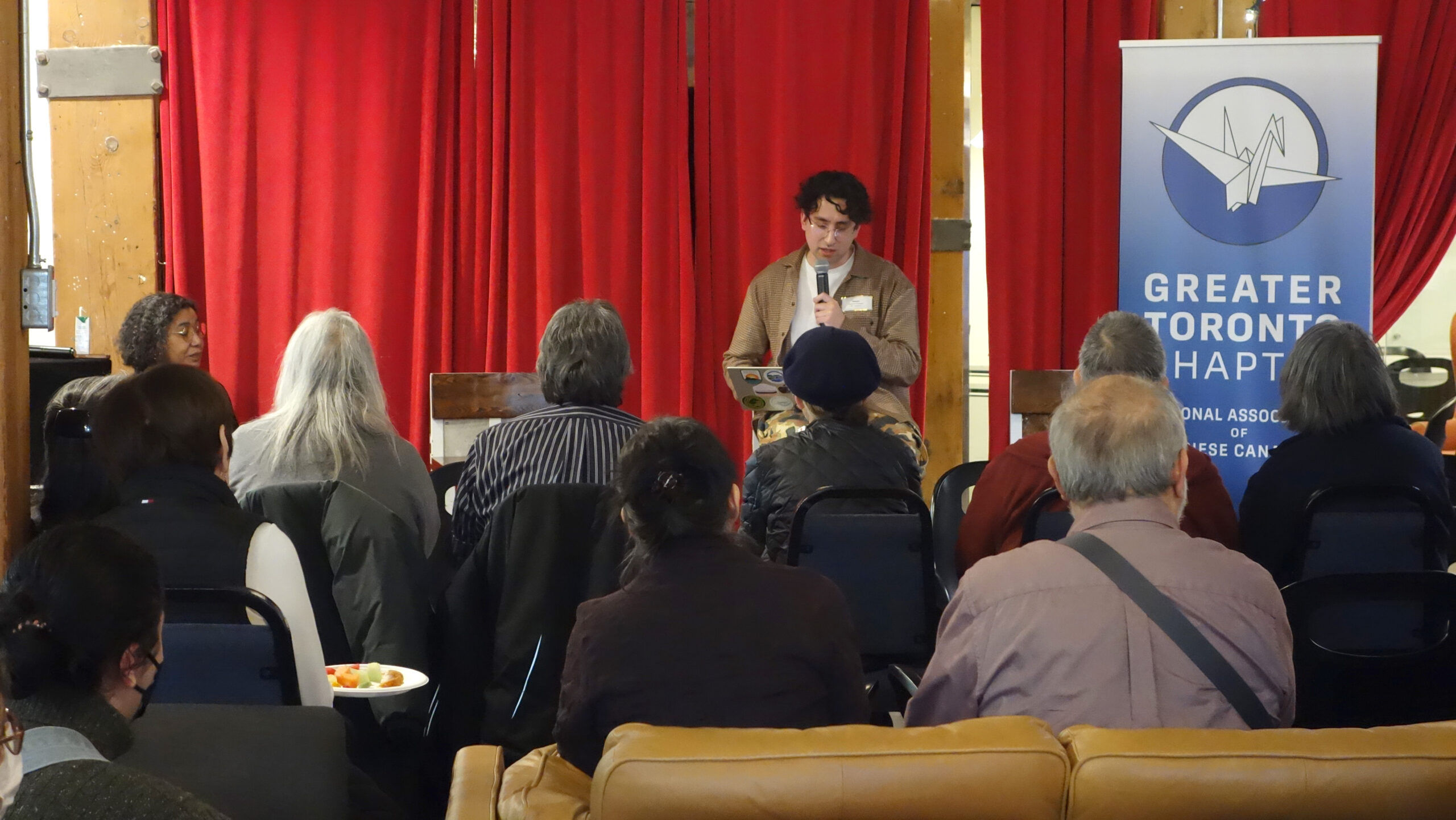
Retreat #1: Intergenerational Strength as a Pillar of Health
Date: Sunday, February 2, 2025
Location: Centre for Social Innovation, Toronto
Highlights
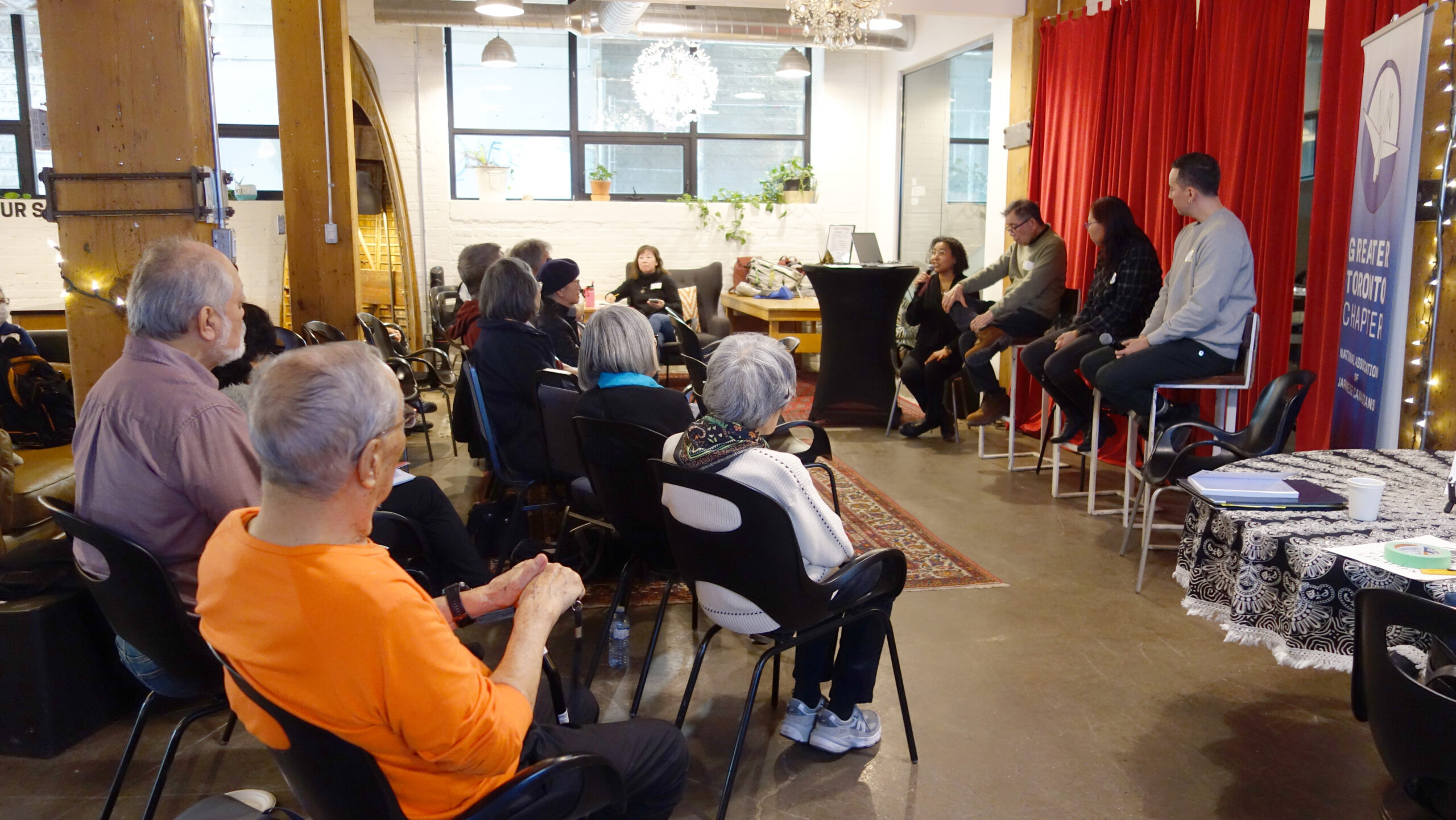
- Keynote: Pauline Kajiura (sansei, daughter of survivor Ben Kajiura) spoke about antiracism, social location, and the impacts of intergenerational trauma.
- Panel Discussion: Ron Shimizu, Sharon Yamashita, and Kristofer Sakamoto-Marshall shared personal and community perspectives.
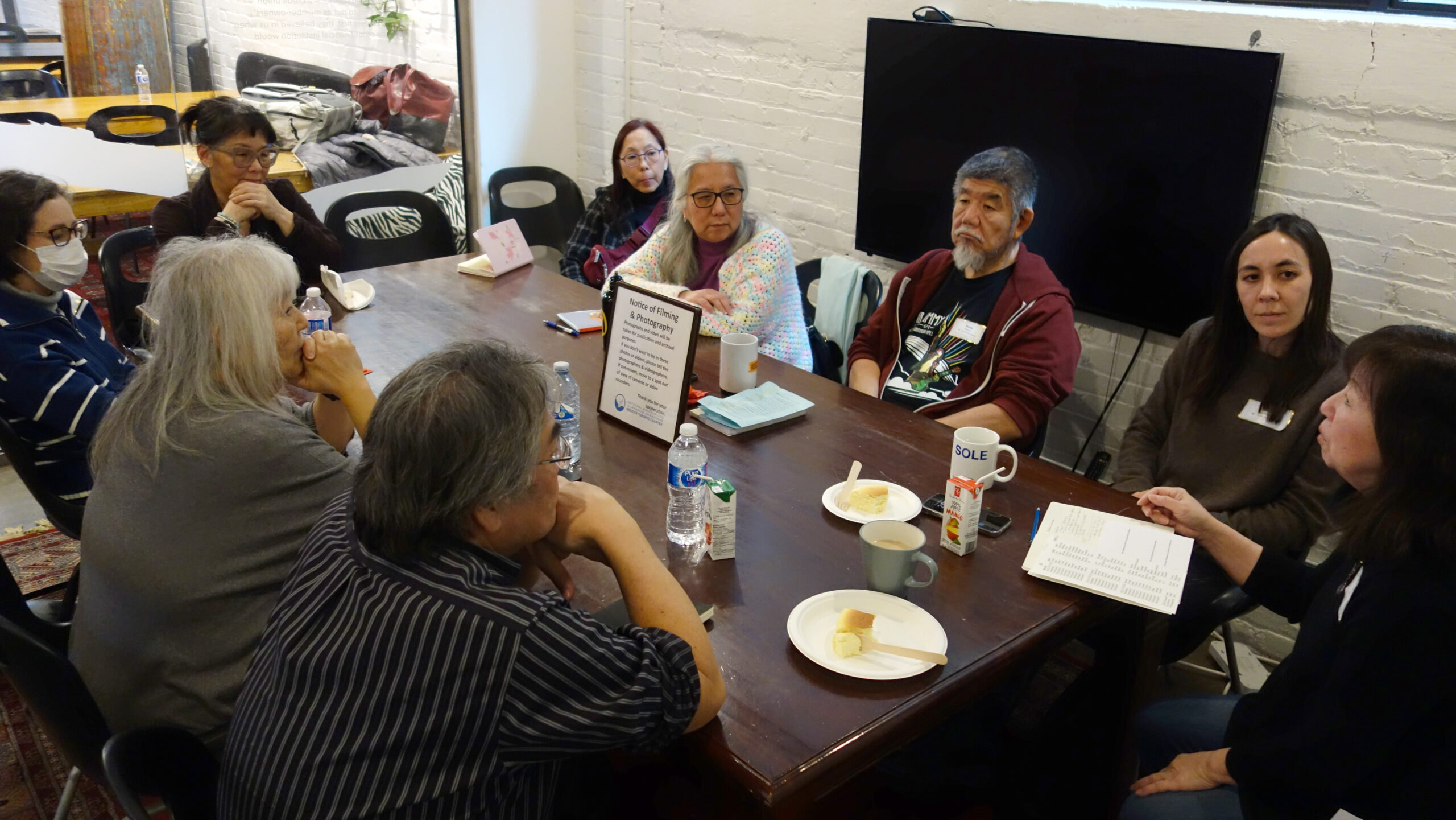
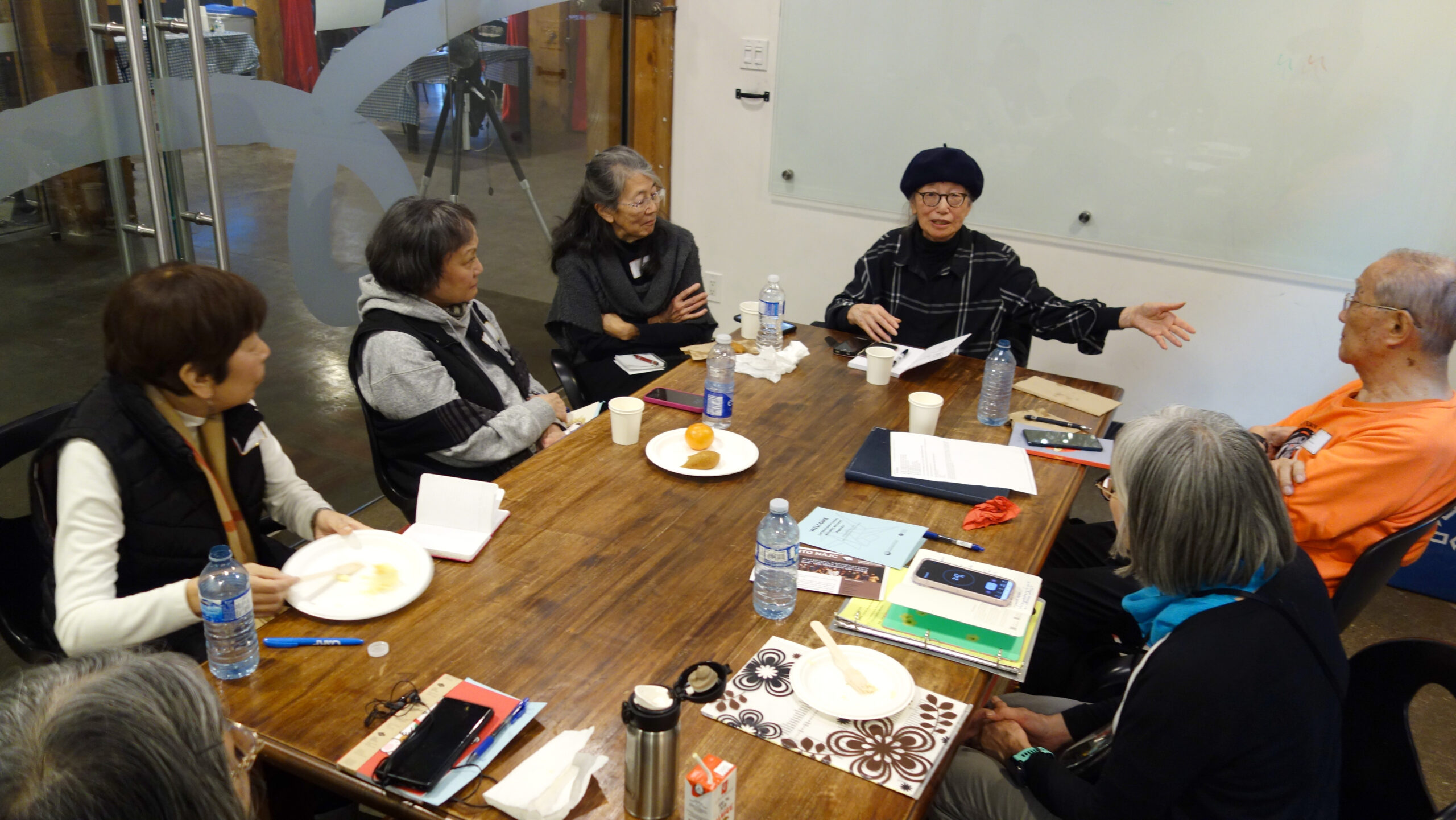
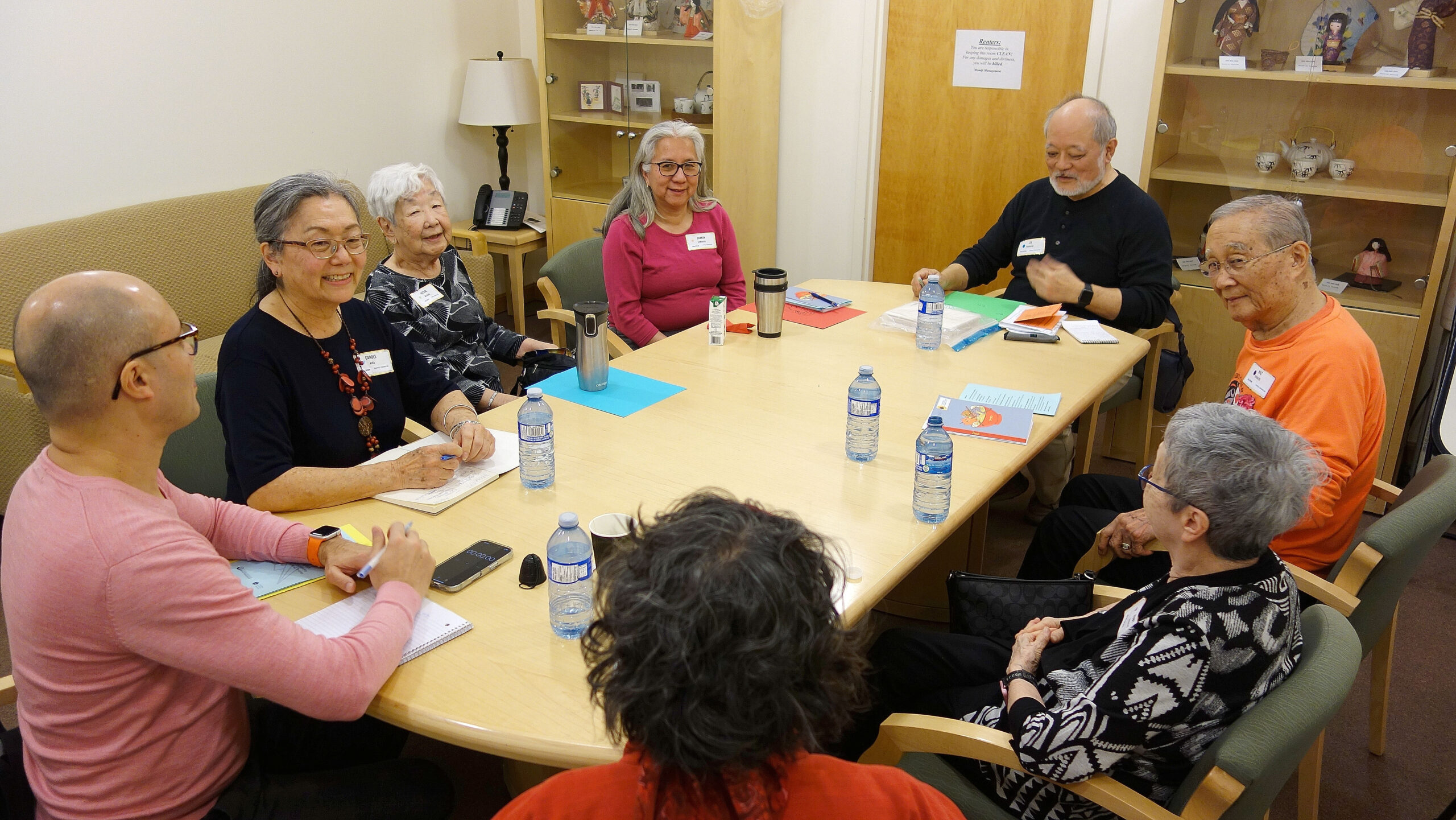
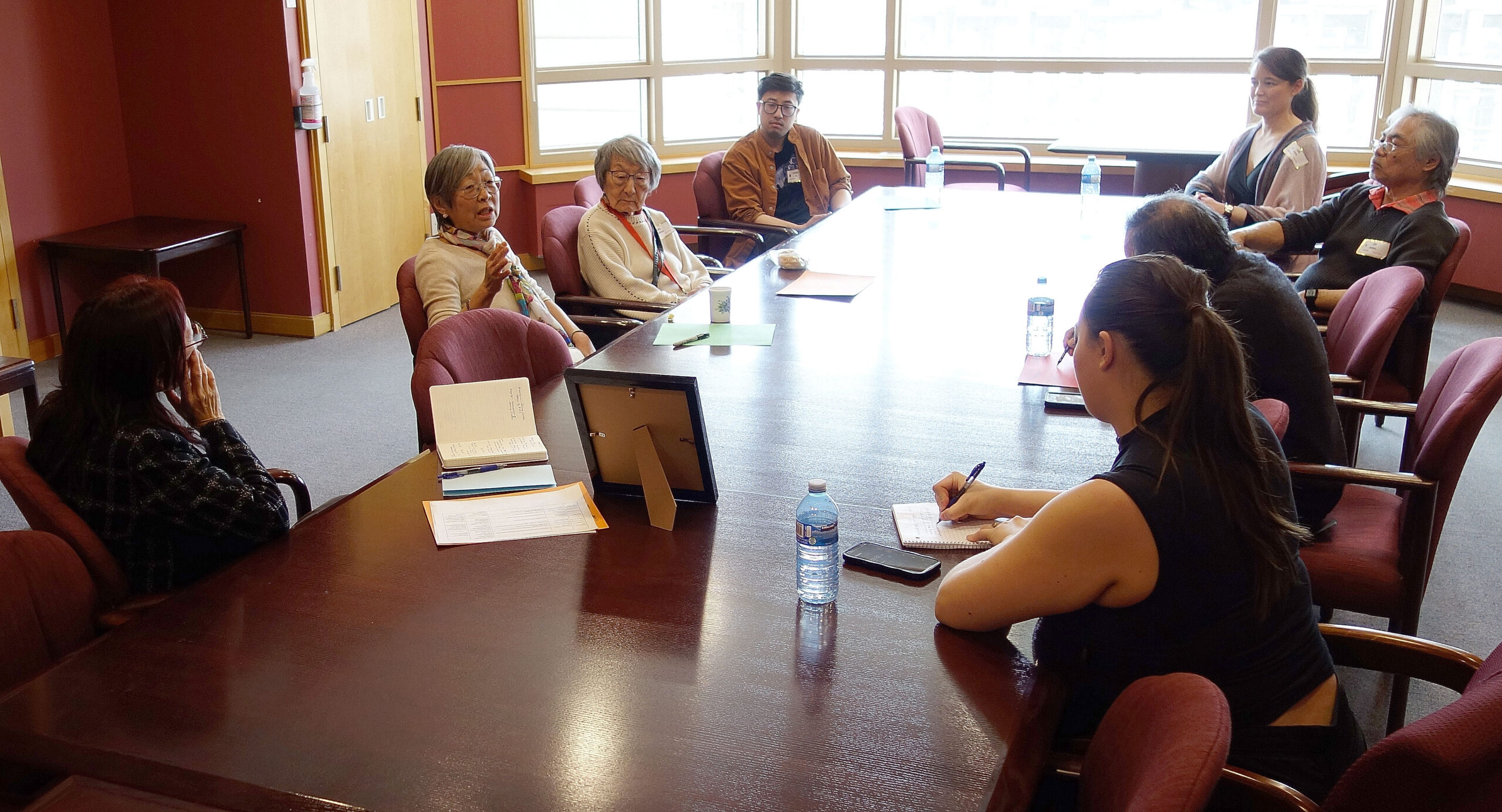
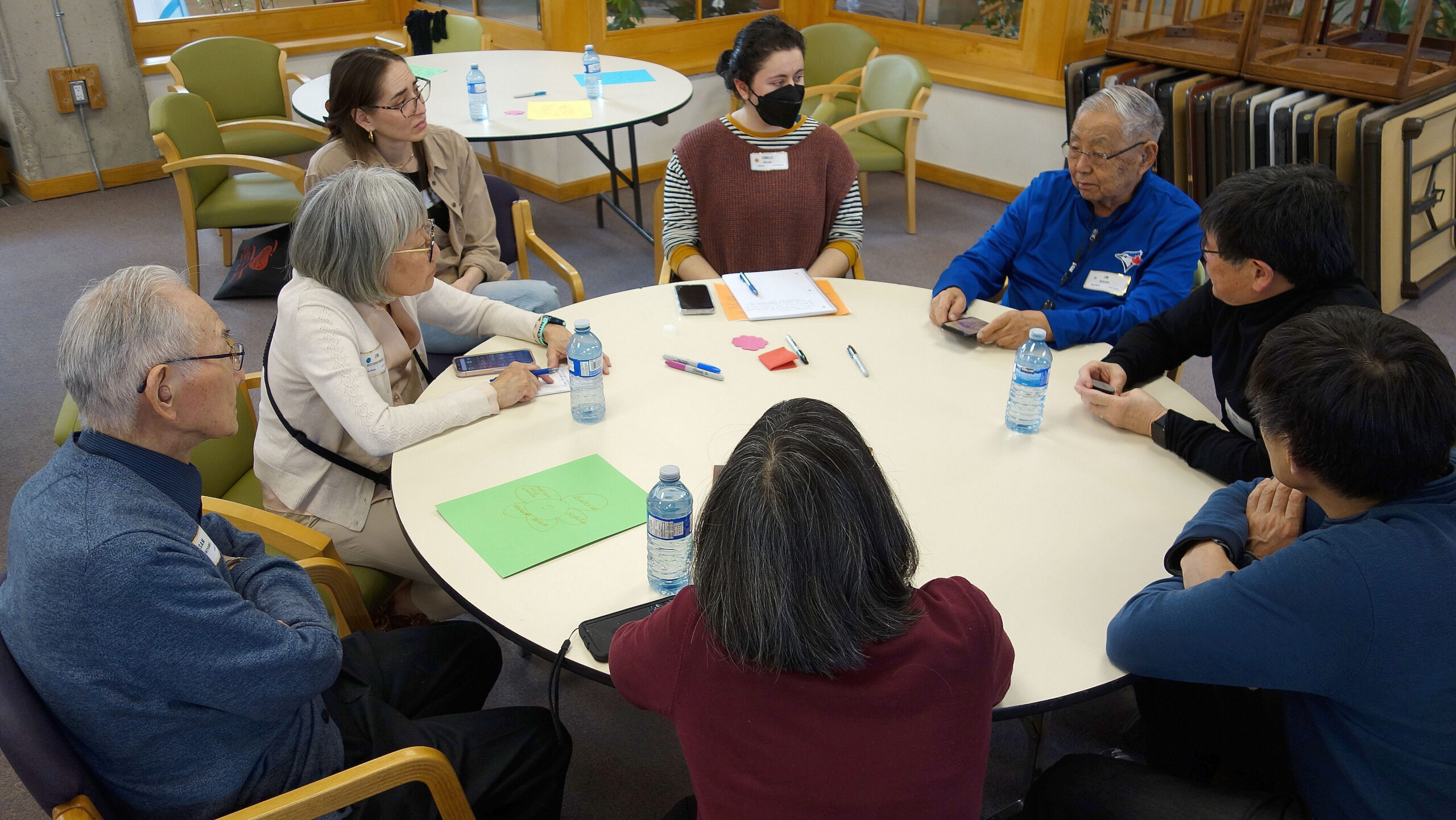
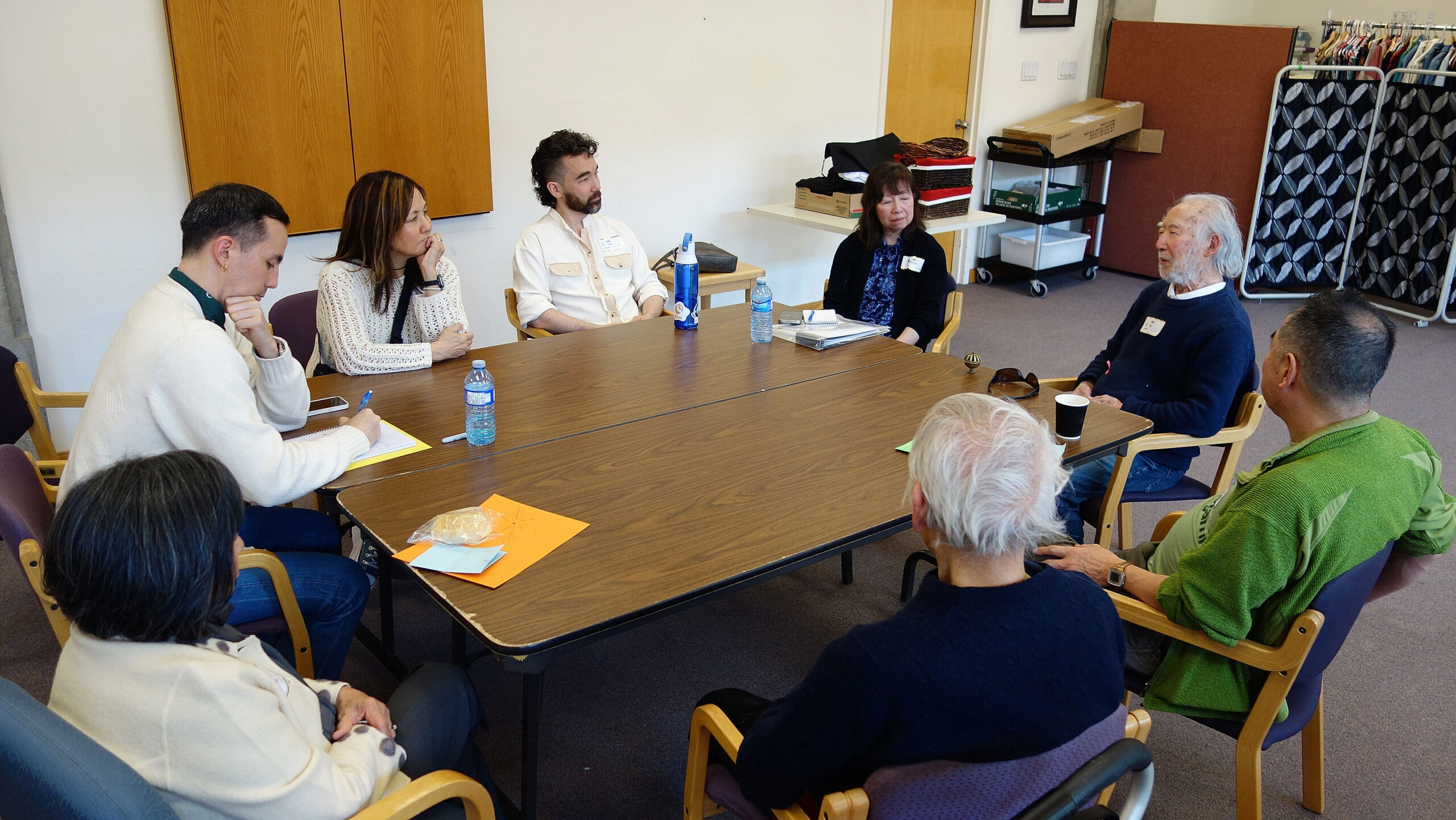
- Breakout Circles: Participants discussed identity, racism, and family silence around incarceration and relocation.
Themes That Emerged
- Intergenerational Trauma: Feelings of anger, grief, and shame being passed down.
- Silence & Storytelling: Many noted that family histories were rarely discussed—sharing stories across generations was seen as critical for healing.
- Community Connection: Belonging to the JC community helped participants develop a more stable sense of identity.
- Solidarity: Linking Japanese Canadian histories with broader social justice movements was seen as essential.
- The Future of JC Identity: Mixed-generation participants expressed both concern about “erosion” and excitement for a more diverse community.
Participant Feedback
Surveys showed participants valued:
- The keynote and panel, described as engaging and thought-provoking.
- Breakout sessions for encouraging personal sharing (though many wished they were longer).
- Venue, food, and comfort, consistently rated “excellent” or “very good.”
“Connecting discussions about social justice to a JC context—being able to engage from a place grounded in my own community is a wonderful thing.”
“Hearing from other generations reinforced a feeling of connection within the JC community.”
Retreat #2: Deepening the Journey Through Film and Dialogue
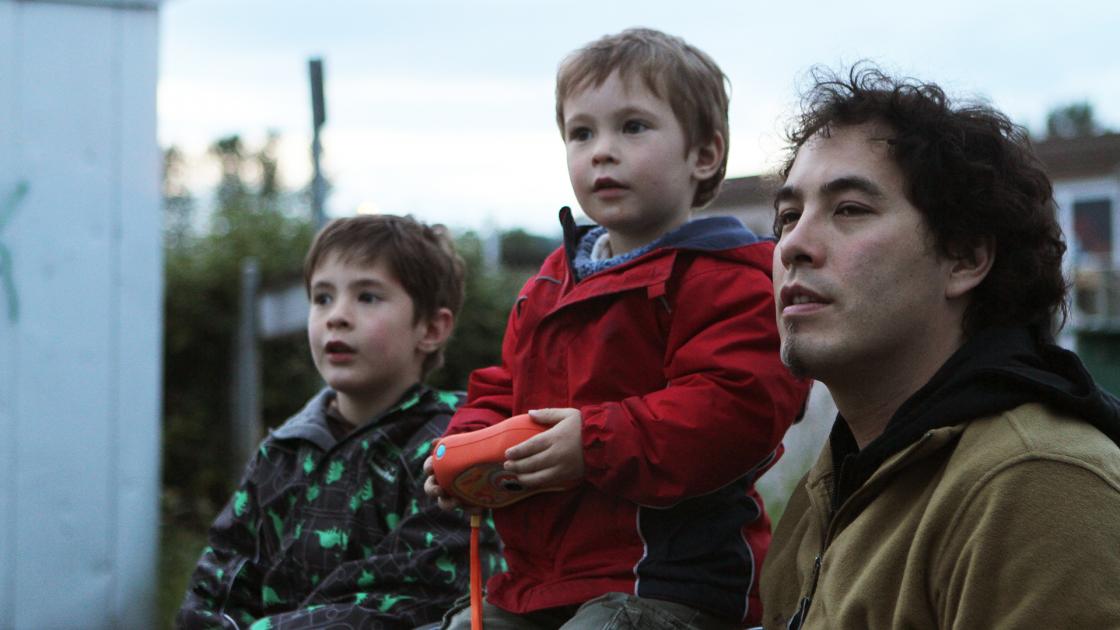
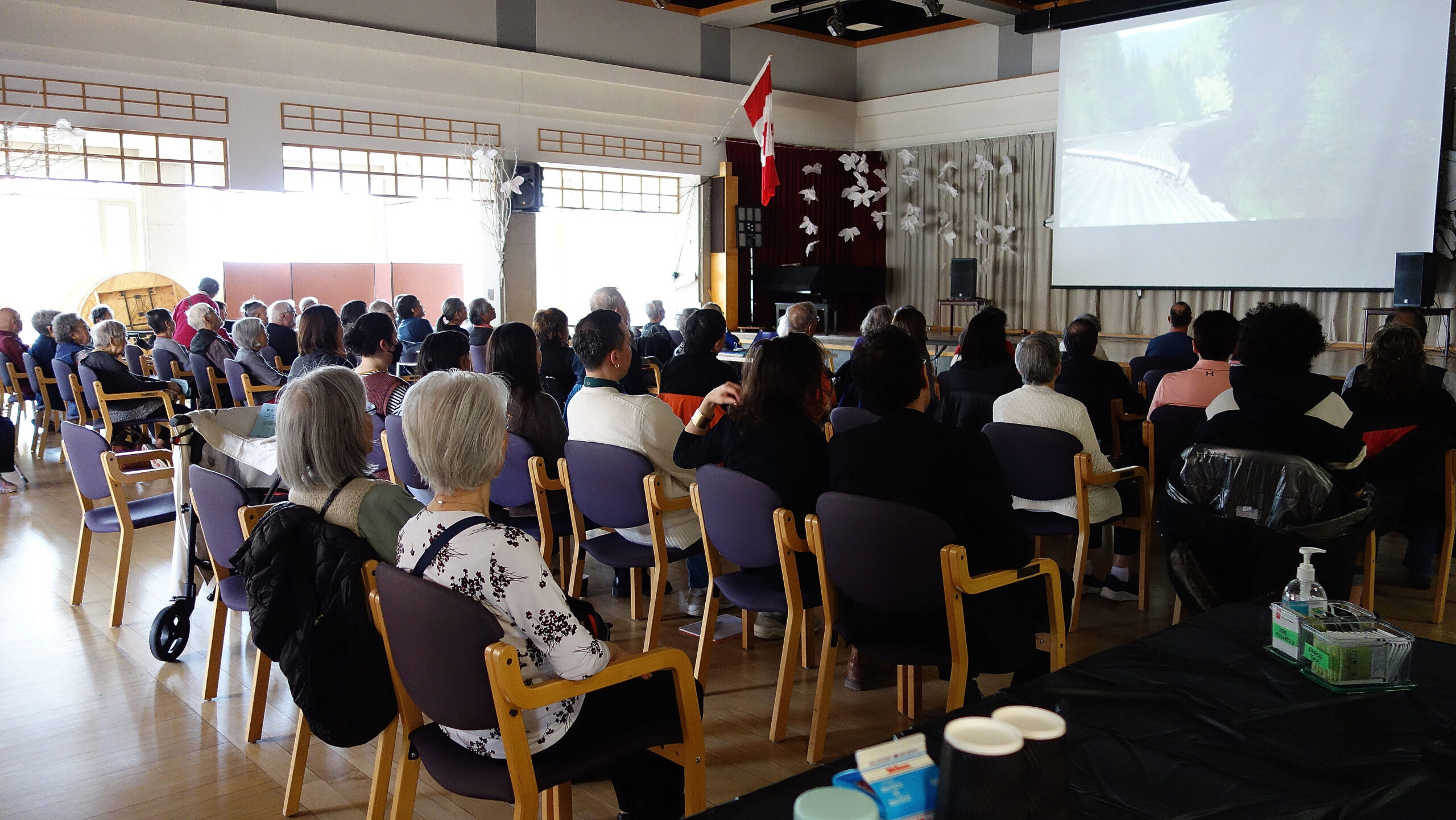
Date: Sunday, April 3, 2025
Location: Momiji
Highlights
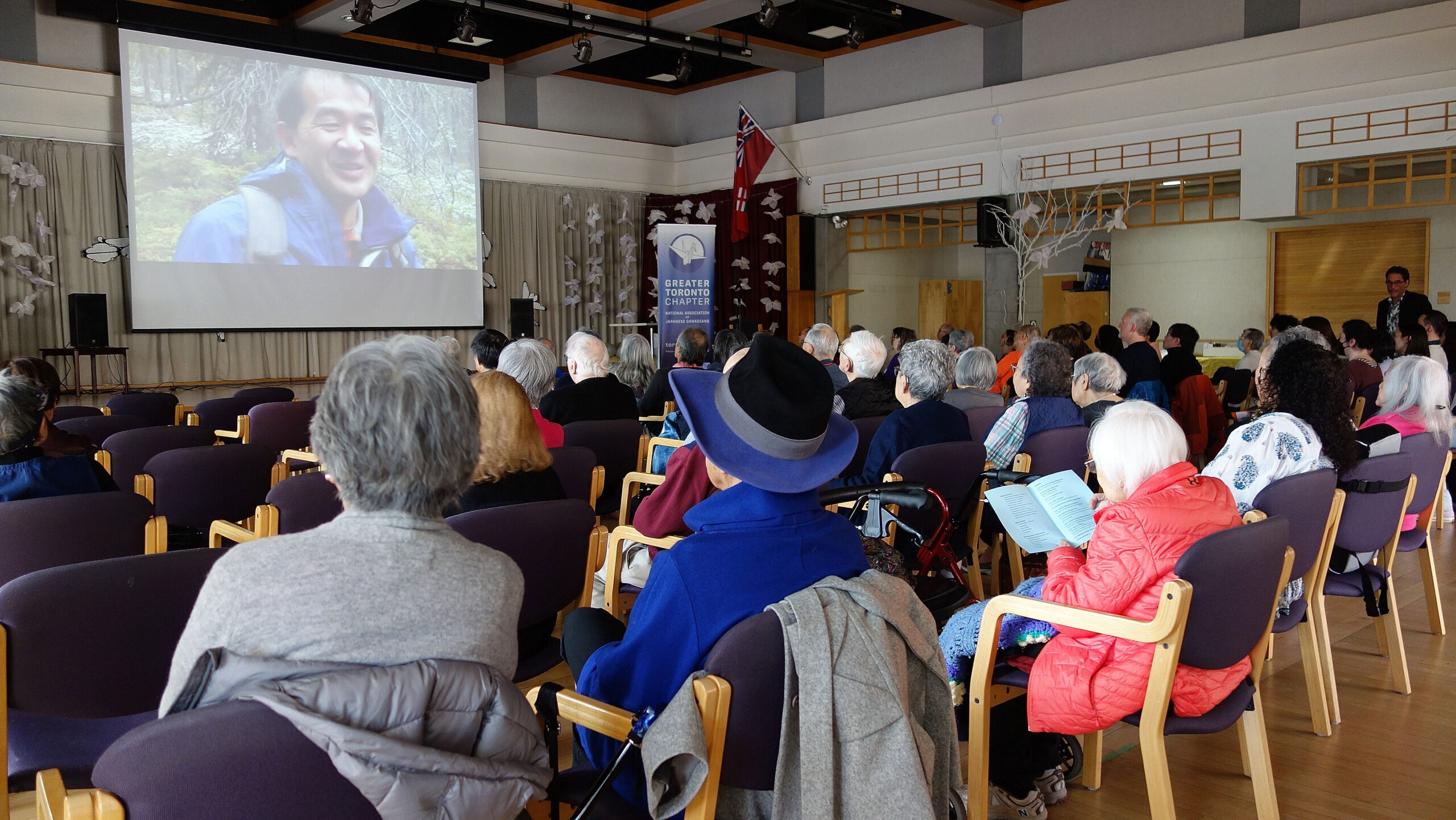
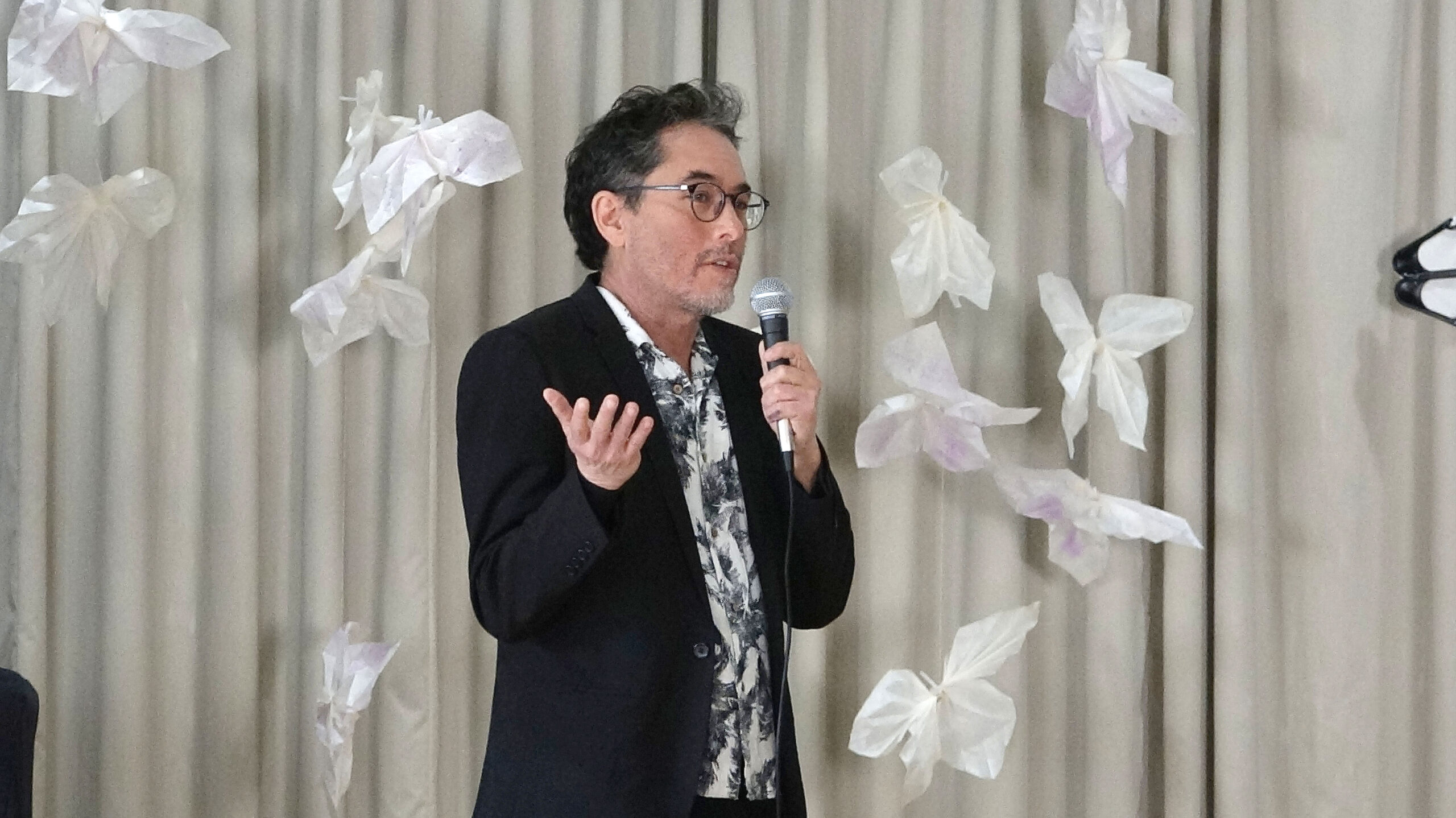
- Film Screening: A Sorry State (2013) by Mitch Miyagawa, followed by a director Q&A.
- Movement Break: Kunji Ikeda led mindfulness and movement activities.
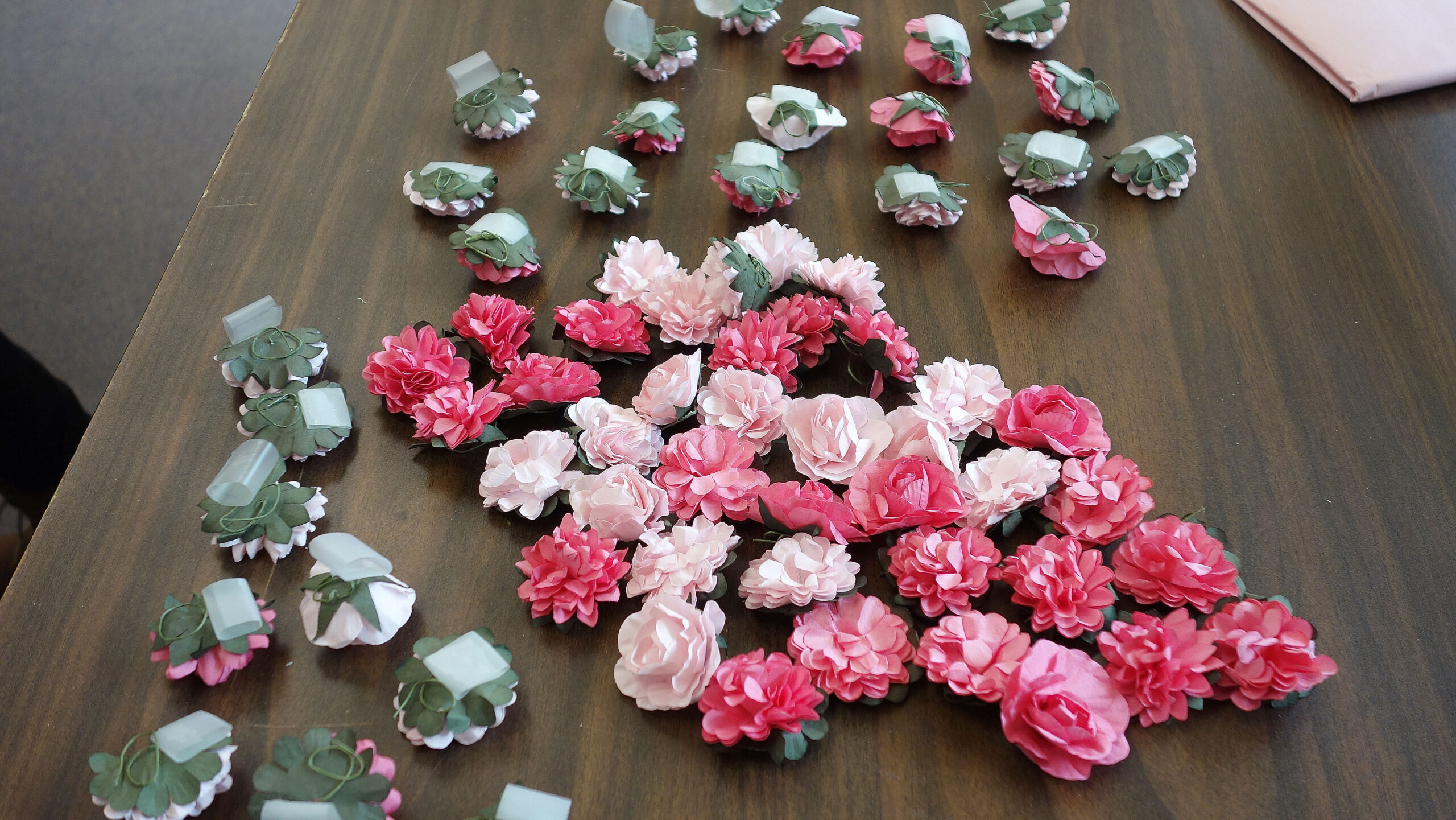
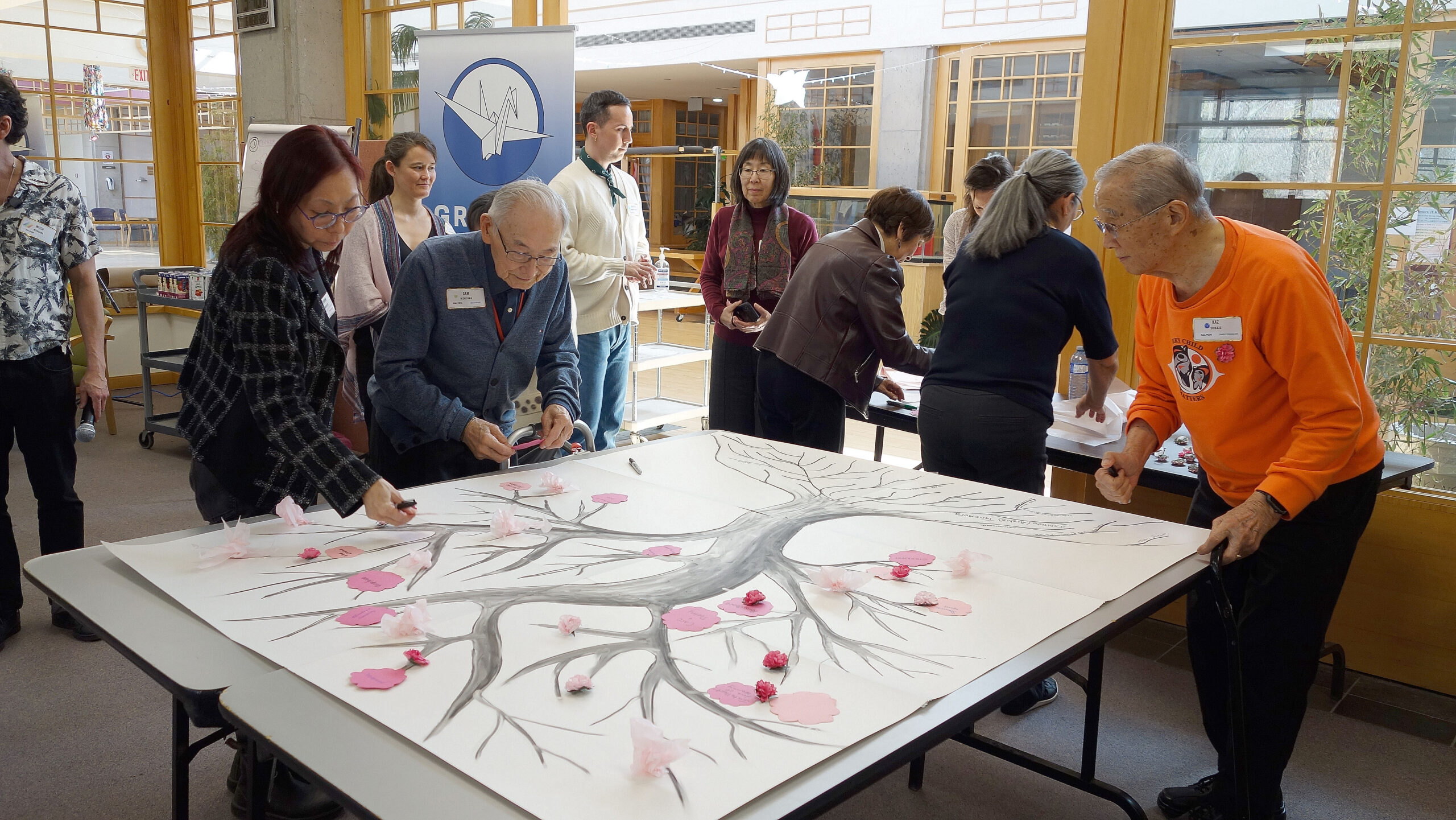
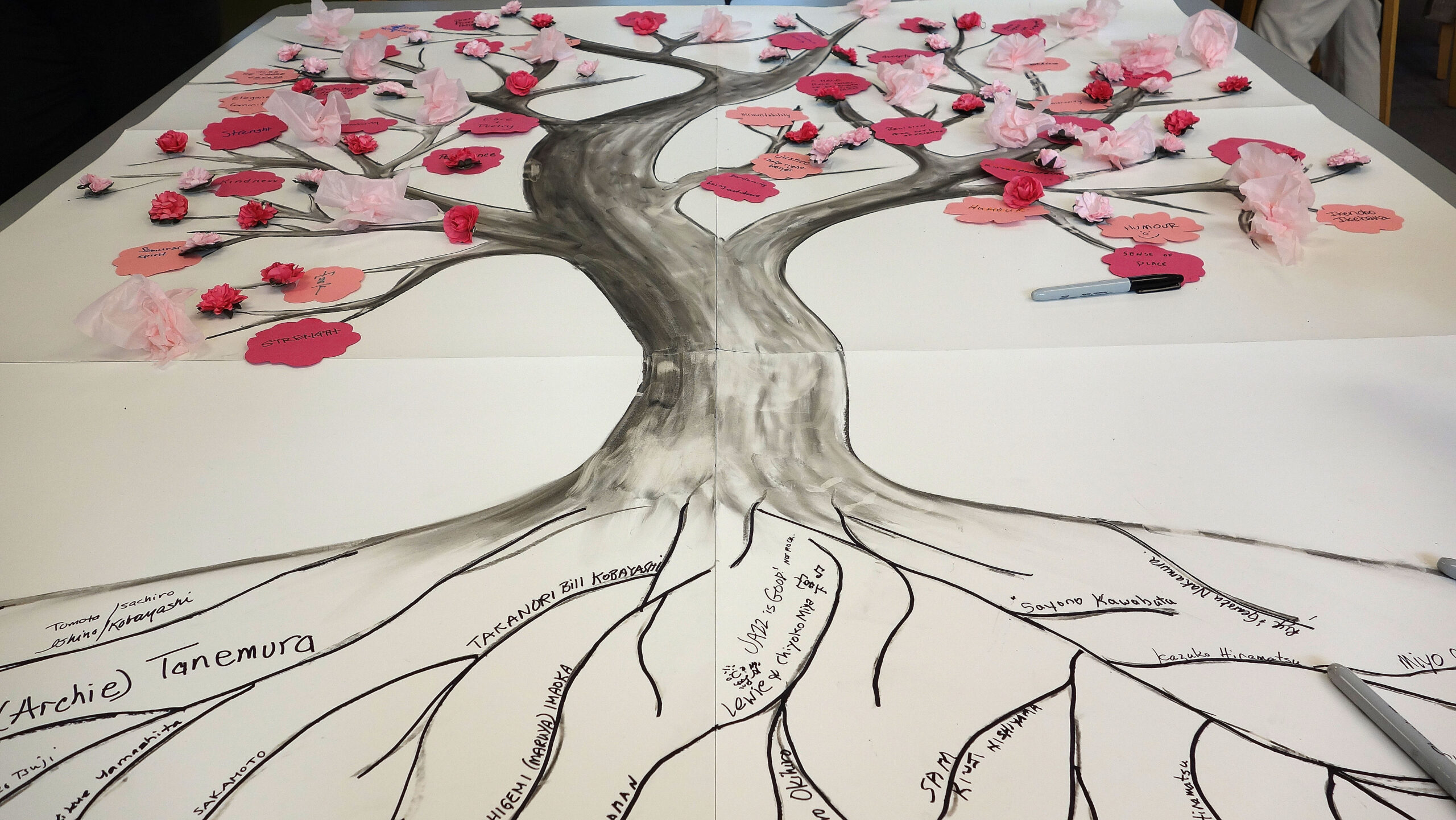
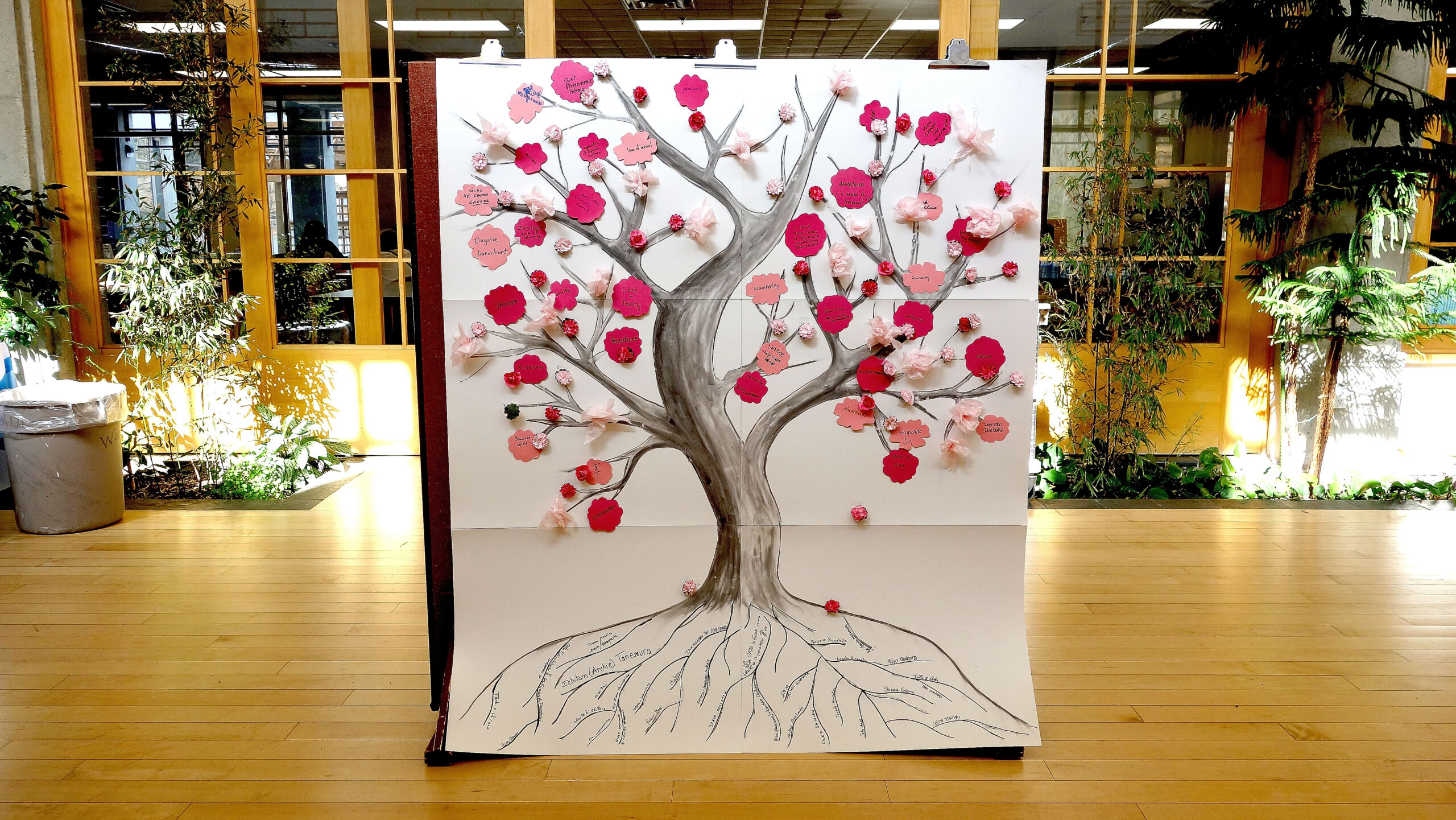
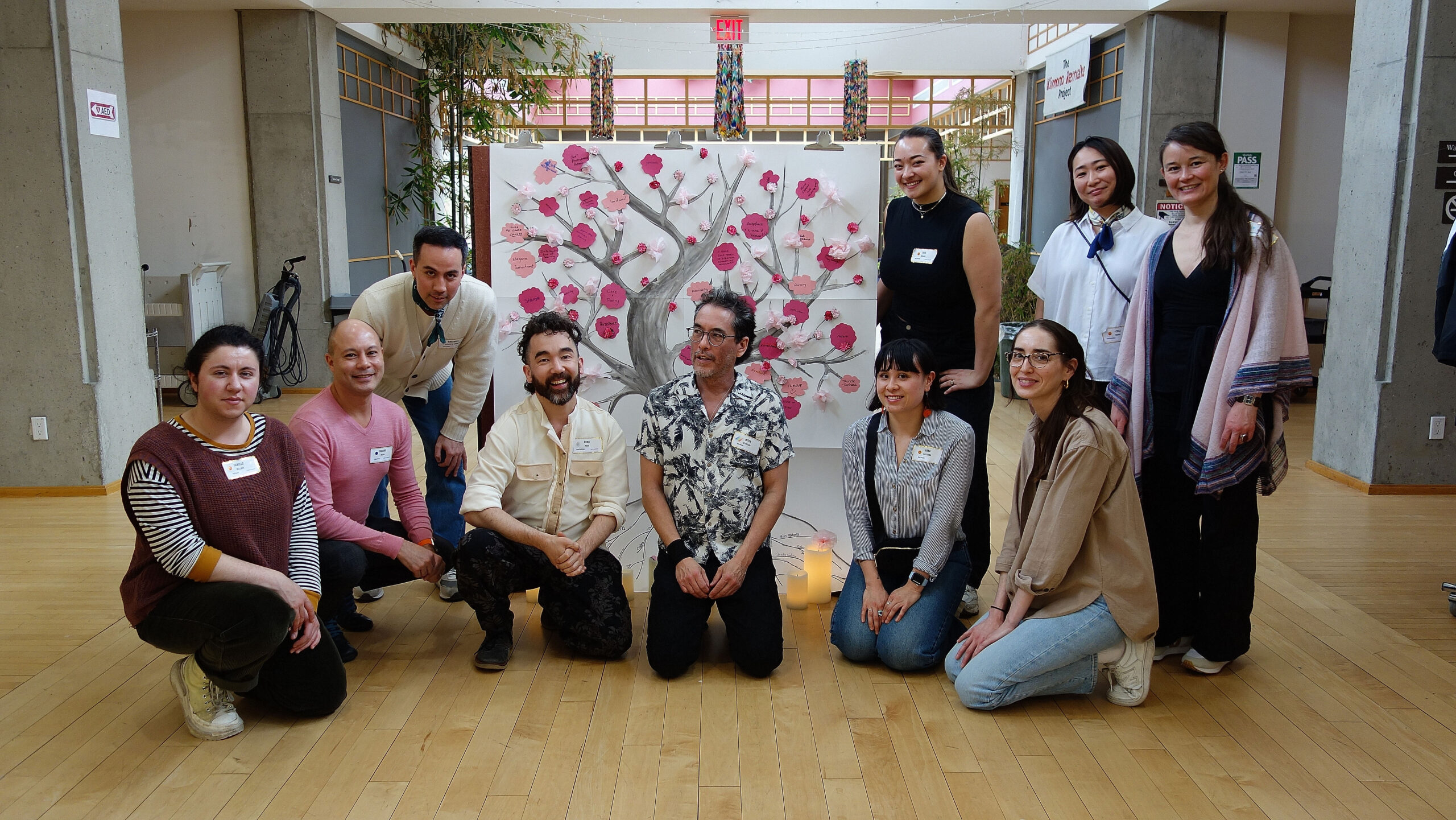
- Wellness Session: Mitch introduced the “ancesTREE” exercise to spark reflection.
- Sharing Circles: Participants responded to two guiding questions:
- “What came up for you during the film?”
- “What are you celebrating/mourning?”
- Dinner Reception: Catered by Ginko Japanese Restaurant and Uncle Tetsu’s, with space for informal conversation and connection.
Themes That Emerged
- Intergenerational Trauma: Re-surfacing of grief, shame, and silence in families.
- Loss: Cultural connections, language, family stories, and older generations.
- Solidarity: Learning from apologies to other communities reinforced that Japanese Canadians are not alone.
- Place & Memory: Reflections on visits to camps, ancestral homes, and Japan.
- Hope: Younger generations’ continued interest in JC identity and culture brought encouragement.
Participant Feedback
Participants highlighted:
- The importance of the apology beyond monetary redress.
- Q&A and group sharing as powerful spaces to listen and be heard.
- Food and mingling as culturally meaningful and joyful.
“The sharing was especially good for nisei to have the invitation to talk about experiences and opinions to an interested group. Therapeutic!”
“As a caregiver to three nisei, I decided to become more involved with community events—for the elders, myself, and yonsei adult children.”
“The event validated people’s complex feelings about history. It showed it’s okay to be angry about the past while also celebrating what we’ve built as a community.”
Related Posts
- Join Us for the launch of The Japanese Canadian Book of ABCs
- An Invitation to Japanese Canadians from New Westminster
- Universal Declaration of Human Rights – 75th Anniversary
- Nov 5, Tribute Game & Marketplace updates
- Stronger Together: The NAJC and the Canadian Race Relations Foundation (CRRF)